Disrupting Rainbow Capitalism: ‘We will not be commodified or erased.”

Brandi Douglas, Steph Viera · June 22, 2021

Disrupting Rainbow Capitalism: ‘We will not be commodified or erased.”

"Commodification of the rainbow flag and Queer culture does little to nothing to benefit those within the 2SLGBTQ+ community itself, nor does it address the violence continually directed towards these relatives."

Indigenous Peoples are no strangers to cultural appropriation, or the exploitative and profit-driven aspirations often associated with these long-standing and colonial endeavors. Non-Indigenous individuals and businesses far and wide lean in, placing dreamcatchers and sage on their shelves while at the same time speaking of their chosen spirit animals and defending their Indian mascots, having no critical thought or awareness of the harm inflicted upon the Indigenous community by their actions of appropriation. 

Addressing these matters often results in the declaration that these acts of cultural appropriation are merely demonstrations of “respect” and solidarity, and that those within the Indigenous community who are negatively impacted by these actions should actually be grateful for the non-Indigenous interest in and exhibition of their cultures. Yet we know better: Cultural appropriation is violent, extractive and profit-driven, seeking to maintain systems of colonialism and white supremacy while silencing and maintaining the invisibility of Indigenous people, our cultures and experiences.

Commodification of the rainbow flag and Queer culture does little to nothing to benefit those within the 2SLGBTQ+ community itself, nor does it address the violence continually directed towards these relatives.

As June rolls around every year and Pride month ensues, our 2SLGBT+ relatives face a similar reality with yet another intersection of appropriation: profit-driven “allyship” and erasure with the appropriation of the rainbow flag, as corporations and small businesses alike, under the guise of solidarity, paint the landscape rainbow– from products to dedicated store sections, altered logo colors, advertisements and social media campaigns, rainbow capitalism, otherwise known as pink capitalism and/or pink washing, takes center stage.
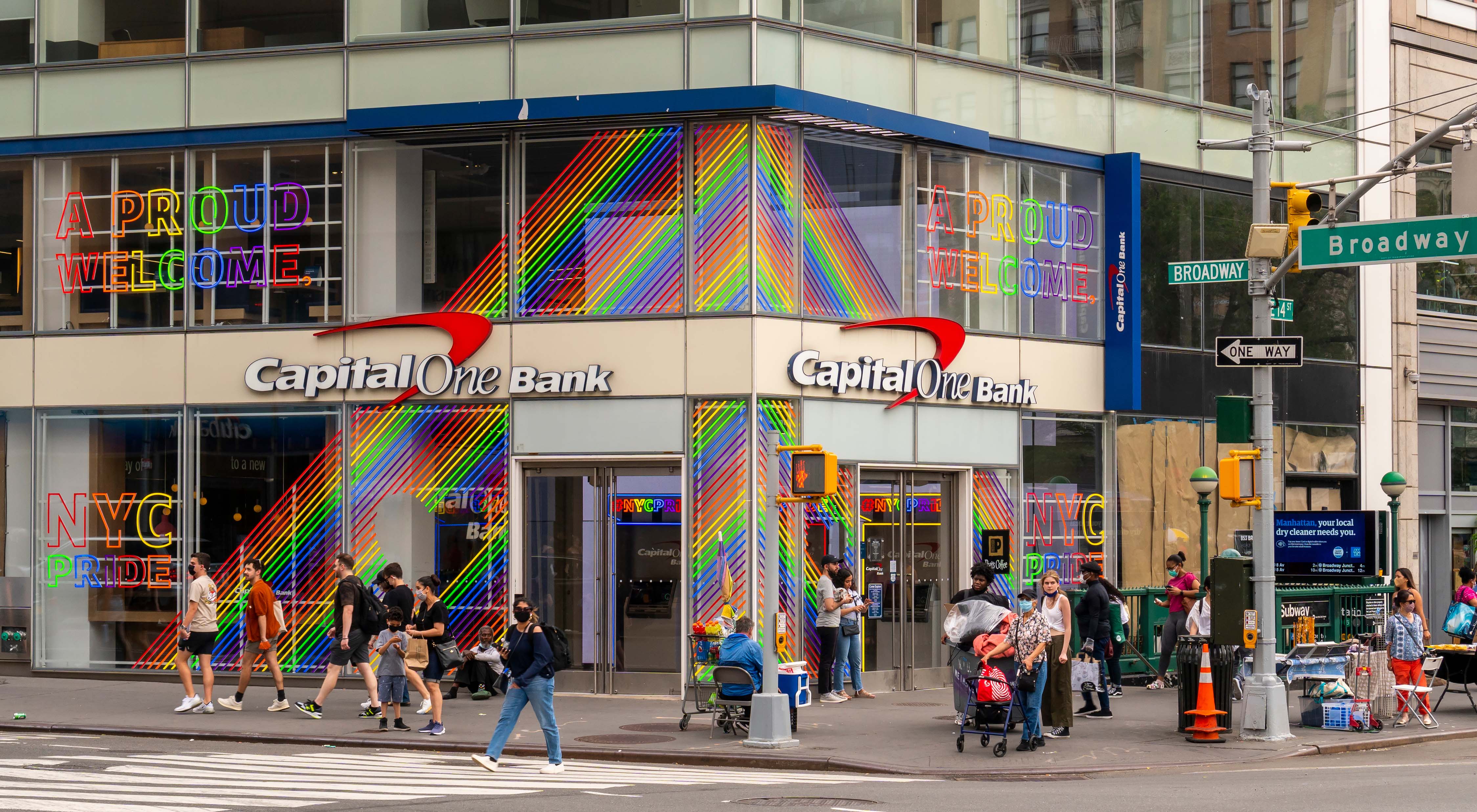
Photo by rblfmr

As is the case with the appropriation of Indigenous cultures, this commodification of the rainbow flag and Queer culture does little to nothing to benefit those within the 2SLGBTQ+ community itself, nor does it address the violence continually directed towards these relatives. More often than not, these corporations completely fail to shed light on the origins of Pride as an act of resistance, led by Black and Brown Queers, whose efforts were centered on liberation. Meanwhile, these same corporations profit off of the Queer struggle.

In their OpEd, “How Rainbow Capitalism Harms the Origins of What Pride is About,” non-binary abolitionist and organizer, Da’Shaun Harrison, further expands on the origins of Pride as, “intended to disrupt cisheteronormativity.” Harrison says, “It is a response to police violence and an intentional act of rebellion. Yet every year in June, major corporations paint their products in rainbow colors while Pride event coordinators book celebrity entertainers and invite politicians to partake in the festivities. Around the world, cities paint their towns with the colors of the rainbow to celebrate the occasion, often ignoring the ancestors who set the stage.”

Despite the liberative tenants of Pride, born out of pivitol events such as the 1969 QTBIPOC-led Stonewall uprisings, many in the Queer community continue to embrace the rainbow as a beacon of opportunity, affording a sense of safety, visibility and inclusivity within a society that has been slow to foster such an environment.

Showing up for yourself and your community is enough.

Still others, such as NDN Collective’s Social Media Manager, Steph Viera, recalls their first steps into the Pride scene and the pressure to adorn rainbow as a means of declaring their Queer and non-binary visibility.  “In June of 2018, I attended my first Pride event. I was both excited and nervous to attend, as the West Hollywood area of Los Angeles is absolutely Queer, but above all, white,” Viera shared. 

“At that time, I was still questioning coming out and not yet exploring the fluidity of my gender identity. Above all, I wanted to appear Queer enough to be celebrating myself and my friends that June. My first instinct was to adopt the rainbow into my Pride attire, although it was way outside of my normal all-black and very casual ensembles,” said Viera. “Admittedly it was out of character for me, but the pressures of the ever-present Pride clothing ads in June dawned on me and pushed me to give in.”

“Looking back, there was absolutely nothing wrong with pulling up in the old pair of comfy jeans with a rainbow heart to signify my queerness,” said Viera. “There would’ve been nothing wrong with my standard clothing, either. Showing up for yourself and your community is enough.”
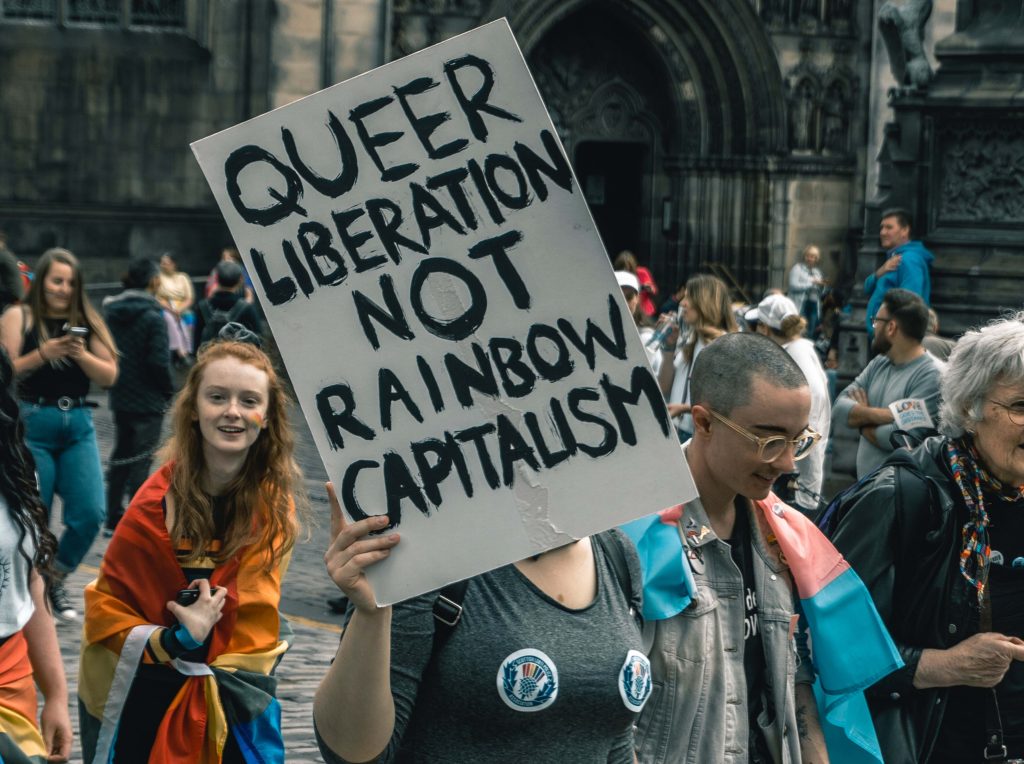
Unsplash image by Karl Bewick

In recognizing the growing commodification of the rainbow, it’s worth pausing and reflecting on how, in the absence of a rainbow, we as 2SLGBT+ community members can feel free to exist and reclaim this time of celebration, reminding those hell-bent on enmeshing our existence with the ills of capitalism that we won’t be commodified or erased. And that the safety attached to this symbolism that so many of us in the Queer community feel we have no choice but to embrace, is in actuality, a societal failure in helping us to feel safe, wherever we are, as we are.

As Viera poignantly shared, “Showing up for yourself and your community is enough.” And it is. It absolutely is.

It is this ever-lasting struggle that embodies the true symbolism behind Pride– Pride in which our Black and Brown Queer ancestors imagined, struggled and died for. This is the torch we now carry: The freedom to simply be. To come as we are. Rainbow, or not.
Looking for ways to disrupt rainbow capitalism while continuing to celebrate and honor Pride 365 days out of the year? Consider donating to QTBIPOC-led organizations/movements. Here are a handful:

Brandi Douglas
by   Brandi Douglas

Brandi Douglas (she/her/they/them), Creative Project Manager, is a Puyallup Tribal member as well as Black and Mexican. In their role, they provide support to the Communications and Narratives Team as well as all aspects of content production, targeted outreach and internal communications. Brandi is an avid wordsmith, having uplifted various narratives that speak to the experience of being an Indigenous entrepreneur, multi-racial and queer. 

They have served as a Civil Court Clerk for the Puyallup Tribe, Paralegal for the Puyallup Tribal Prosecutor and Unemployment Benefits Navigator/Paralegal for the Native American division of Northwest Justice Project.

Brandi holds a Bachelor’s degree in Global Studies as well as a Paralegal Certification from the University of Washington. They hold a Master’s degree in Indigenous Peoples Law from the University of Oklahoma. 

In 2019, Brandi was instrumental in helping to establish the first ever Puyallup Tribal Pride event and is currently working towards assembling a 2SLGBT+ Committee at the Puyallup Tribe while continuing to aid in planning Puyallup’s yearly Pride celebration.

They are currently a Native Women Lead Board member and they were a 2020 South Sound Magazine 40 Under 40 recipient.

Steph Viera
by   Steph Viera

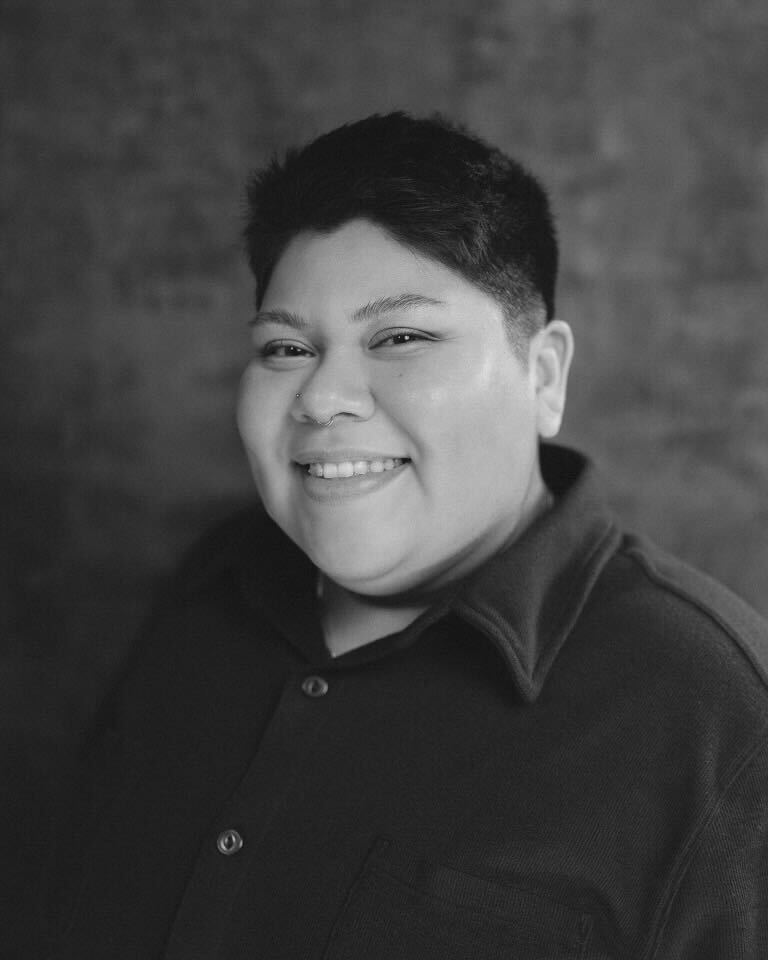
Steph Viera (they/them), NDN Collective Associate Producer, is Diné and Salvadorian born and raised in Los Angeles, California. Steph is a writer, organizer, and storyteller with a deep commitment to aid in the intentional storytelling of Indigenous people behind the camera, highlighting the reconnecting, multi-racial, queer, and urban Indigenous communities. In addition to their role at NDN Collective, they have completed several competitive programs and certificates dedicated to the growing need for Indigenous creatives and filmmakers, such as the Production Assistant Certification Program for BIPOC Storytellers with Justice for My Sister and the WarnerMedia Access Early Career Bootcamp in partnership with Illuminative. Steph was also recently named Resident Facilitator for the LGBTQ and Two Spirit Talking Circle with International Indigenous Youth Council, Los Angeles for 2023. They hold a bachelor’s degree in Film, Television, and Media from California State University, Dominguez Hills, where they studied screenwriting, digital media production, and media representation. Steph remains steadfast in the pursuit of justice for all people and the planet.

January 2024 Edition

Stay Informed. Take Action.

Subscribe to the NDN allies newsletter

Sign up to get our newsletter. Delivered once per month.

We care about the protection of your data and would never sell your email or share it with anyone without your permission.

'We Are Not Americans, We Will Die as Hawaiians': Ka Wai Ola a Kāne Launched in Nānākuli, Oahu

Angelica (Angie) Solloa , Kailea Loften

Posted 2 years ago
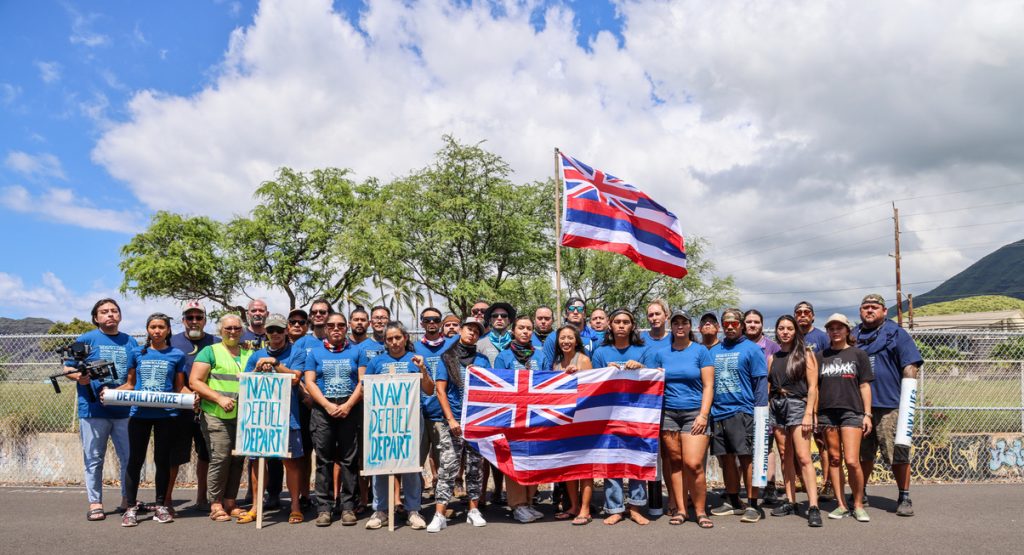
NDN Collective journeyed to Oʻahu to train and share knowledge with Kānaka Maoli (Native Hawaiian) relatives as an extension of our deep dive work within the region.
'The Medicine Wheel Coming Together': NDN Collective's ȞeSápa Action Camp Builds Community Among Organizers

Jordynn Paz , Sarah Sunshine Manning

Posted 2 years ago
The ȞeSápa Action Camp brought together organizers and movement builders from across Turtle Island and beyond for a week-long training in the Black Hills. There were several trainings offered including Creative Resistance, Tactical Media, Climbing and Blockades.
"Keep Fighting": Leonard Peltier Message to Supporters on 48 Years Since Arrest Posted 2 years ago
Leonard Peltier has been unjustly imprisoned for 48 years on this day. In this letter, he reflects on the anniversary of his incarceration and calls upon all to "keep fighting." Read more for ways you can support the fight to #FreeLeonardPeltier.
NDN Collective Celebrates Mineral Withdrawal Resolution Passed By Oglala Sioux Tribal Council Posted 3 years ago
The Oglala Sioux Tribal Council passes a resolution support the proposed mineral withdrawal around the Pactola Reservoir in the Black Hills. The mineral withdrawal will ban mining in the region for years, preserving the land and drinking water.
NDN Collective Redistributes Nearly $8 Million to Indigenous Peoples Posted 3 years ago
In 2023 the Collective Abundance Fund supported the wealth building of 200 Indigenous Families across Minnesota, North Dakota, and South Dakota.
NDN Collective Redistribuye Casi $8 Millones a Personas Indígenas Posted 3 years ago
El Fondo de Abundancia Colectiva (Collective Abundance Fund) apoya la construcción de riqueza de 200 Familias Indígenas en Minnesota, Dakota del Norte y Dakota del Sur.
Community Mobilizes in Bitter Cold to Shelter Unhoused Relatives in Rapid City Posted 3 years ago
City officials issue warning in response to lifesaving efforts to shelter unhoused relatives from freezing temperatures. This came after city officials claimed they would make temporary changes to their intake policies and promised to not turn people away from city shelters.
NDN Collective Opens 2024 Application Period for Community Action Fund Posted 3 years ago
The Community Action Fund (CAF) furthers Indigenous Peoples’ mobilization strategies as it relates to the defense, development, and decolonization of peoples and the planet. This $1 million fund is available to support such efforts in 2024, with grants up to $40,000.
NDN Collective abre el periodo de aplicación 2024 para el Fondo de Acción Comunitaria Posted 3 years ago
Para su publicación inmediata: 11 de enero de 2024 Rapid City, SD - Hoy, NDN Collective abre el periodo de aplicación para el Fondo de Acción Comunitaria 2024, que proporciona subvenciones urgentes para la acción directa y la organización en…
NDN Collective ouvre la période de candidature 2024 pour le Fonds d’action communautaire Posted 3 years ago
Le Fonds d’action communautaire (FAC) favorise les stratégies de mobilisation des peuples autochtones en ce qui concerne la défense, le développement et la décolonisation des peuples et pour la Terre Mère. Ce fonds d'un million de dollars est disponible pour soutenir de tels efforts en 2024, avec des subventions allant jusqu'à 40 000 dollars. 

United like never before, we rise together—arm in arm—to equip all Indigenous Peoples with the tools needed to become architects of our future. Through a holistic approach to infrastructure, funding, advocacy, movement building, and philanthropy we are fostering a world of justice and equity for all people and the planet.