On March 11th, the World Health Organization announced that the CoronaVirus, COVID-19, is a global pandemic. With this news it is easy and also legitimate for us to feel stress, concern, and even fear. As Indigenous Peoples whose ancestors were intentionally exposed to viruses, this moment can also feel triggering and bring up ancestral trauma and even distrust and disbelief. What’s more, is that we live in a toxic individualistic society, a symptom of colonization and capitalism, wherein the status quo has lost its concern for the collective.
Now more than ever it is imperative for us to decolonize from individualism and reconnect with ways of community care.
Unfortunately, we are seeing some toxic individualism play out in response to the recent COVID-19 pandemic. Some are hoarding materials and resources, while others respond dismissively to the pandemic with things like, “I’ll be okay; the virus is only a threat to the elderly and those with weakened immune systems,” or even going as for as framing the virus as being a good thing for the environment, as emissions go down.
According to the World Health Organization, a pandemic is declared when a new disease for which people do not have immunity spreads around the world beyond expectations. To break that down even further, the symptoms of the virus have not changed or gotten worse, but rather, it’s the spread of the virus that makes this a pandemic and the fact that most people across the world do not have an immunity built for this virus, which, of course, contributes to how fast it is spreading.
As a new strain of CoronaVirus, which has already existed in some different forms, doctors and health officials worldwide are still trying to get a grasp of what this outbreak of COVID-19 will entail, and how to get ahead of it. What we do know so far is that COVID-19 is especially brutal and even lethal for the elderly, for those with weakened immune systems, and those with pre existing conditions. We also know that it is spreading quickly, and as a result, a growing number of events are being cancelled, while some towns hit especially hard are even going into quarantine.
We all have a responsibility to protect our cherished elders and those who are also vulnerable and valuable members of our communities.
Needless to say as Indigenous people, our elders are precious and sacred to us. They are keepers of knowledge, and they sit at the center of so many of our cultural spaces and ceremonies. While COVID-19 might not hit all of us hard, we all have a responsibility to protect our cherished elders and those who are also vulnerable and valuable members of our communities.
The simple truth is that this disease is causing suffering and inequity across the world, to people’s bodies, their livelihoods, their spirits and emotional wellbeing. Furthermore, we are only as strong as the most vulnerable person in our community, so now more than ever it is imperative for us to decolonize from individualism and reconnect with ways of community care.
As stated earlier, the circumstances we are in can lead to paranoia and fear because our peoples have endured germ warfare in the past, and we’ve been misled if not outright harmed by colonial systems. While this pandemic is not being maliciously introduced to our communities, we would be remiss not to acknowledge this truth and also acknowledge that our communities are at the frontlines of inequities in health care.
So we do not get lost or spiral into fear and stress, which can actually compromise our immune systems, we draw from our beautiful survival and our timeless knowledge, and share some traditional practices that may support our spirits in this time. We encourage you to share these with the people around you to help mitigate stress and overwhelm:
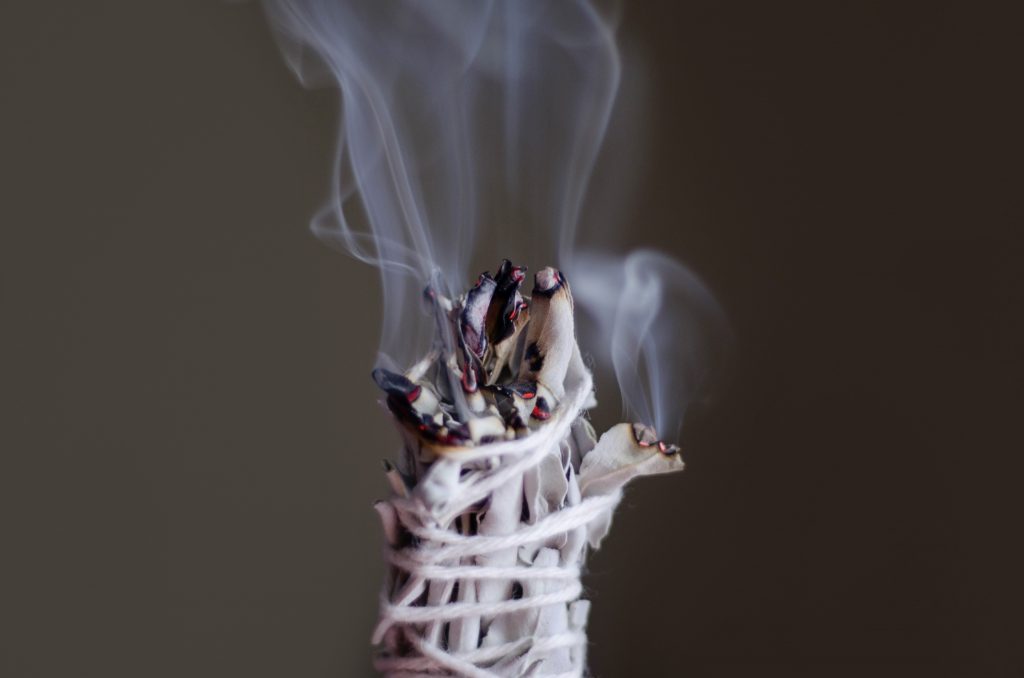
1. Smudge and stay grounded
Here at NDN Collective, we start our days by smudging and grounding ourselves as we prepare to face the important daily tasks in front of us. In moments like this, a daily smudging ritual can help ground us in prayer and spiritual fortitude. This practice gives us a moment to slow down, acknowledge what we are grateful for, release tension, and call in protection and strength. Furthermore, rituals are important to keep us anchored in our truth and in our power.
2. Connect with traditional medicines and knowledge
It’s true that our relatives and ancestors endured germ warfare at the hands of the U.S. military while suffering great losses. What’s also true is that we survived, and our connection to traditional knowledge and medicine has played a role in that survival.
During this time when we are having to practice “social distancing,” it is a perfect time to dive into learning about your traditional medicines, whether that be tinctures and syrups, traditional foods, plant medicines, fermentation, and so on. Connect with friends and relatives and learn from each other. Make use of technology so you can talk about your learnings and experiments virtually, in making these medicines via text, video or facetime.
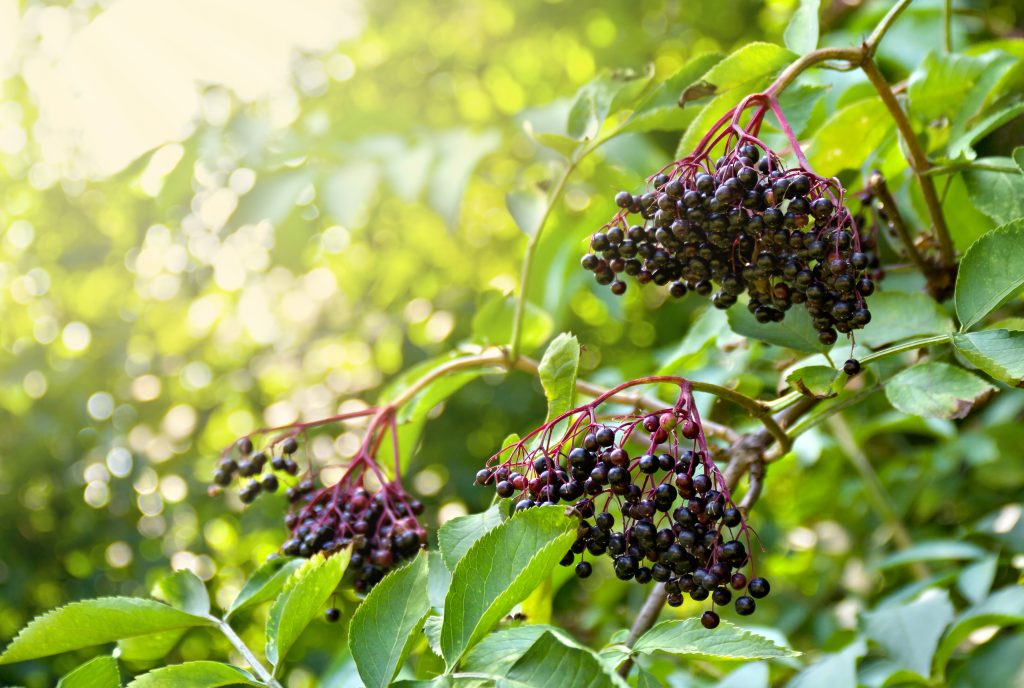
Here are just a handful of traditional medicines that support immune and respiratory systems and are also anti-viral: Osha, fire cider, garlic, elderberry, lemon balm, and oregano.
3. Build community
When we are able to quiet all the worries, the media, and public frenzie of this time and think about the big picture, we can see that this moment is an opportunity to come together in community, in care and preparation. Grave threats like climate change are real and these types of scenarios may become more frequent and perhaps more extreme. This is why building with community is critical for how we respond to these types of events.
In times like this, we need to identify who in our community is most vulnerable and strategize the best ways to protect them. We need to think about food security, and not in a capitalist and individualistic sense, but in a collective sense. We need to reflect on some important questions, like: Are we growing crops in the summer to store and feed our communities during times like this? What are our most fundamental values that our community has to draw upon in high stress moments like this? How do we make decisions? And how do we not turn on eachother?
This is all decolonial work: getting back to community and even matriarchy, honoring the interdependence of all beings, and valuing the collective over our own ego.
What we are learning from communities that are at ground zero of devastation, like Italy and Washington State, is that “social distancing” is a critical strategy in curbing the spread of this new disease. For Native communities “social distancing” can be very challenging because many of us live closely with our relatives, our elders, and our young ones, often in the same household, so this strategy will require some “Indige-nueity” and conversations as a community for how to care for elders and each other.
In closing, we will survive COVID-19. And by the time the pandemic has been managed, we will have learned so much from this moment and how we can better prepare for these types of scenarios; we will see where there are gaps in our communities, cities, nations, and where we have strengths. When all of this has stabilized, we encourage you to not to forget the feelings and the lessons that this moment is giving each and everyone one of us. Write them down so as to not forget this moment.
We can not go back to business as usual after this experience. We have to apply what we learned to our lives, to our politics, and to our relationships, so that if and when this happens again, whether it’s a pandemic or a climate catastrophe, we can be fully prepared as communities. This might look like voting in November, or working for medicare for all in your state or region, or working within your community to build gardens and food banks, bringing in renewable energy so we are not dependent on grids or oil and gas. This moment can feel scary and strange but again, when you quiet worries and the fears, it’s moments like this that really urge us to become strong, innovative, holistic-minded and resilient peoples.
Additional Resources:
Here is a running list of Native events that have been either cancelled or postponed, and Tribal government-issued advisories. If there are events in your community being cancelled or if there are crucial updates from your tribe, Nation, or community, Tweet @aliyahjchavez or email achavez@indiancountrytoday.com to add to this list.
And lastly, here are some valuable articles and resources to support you in understanding the disease and how to best protect you and the people around you: