The Academy Was Made for White Men: Here’s How Taika Waititi Made a Difference

Jade Begay · February 12, 2020

The Academy Was Made for White Men: Here’s How Taika Waititi Made a Difference

During the 2020 Oscars on Sunday night, there were sure moments that not only broke the status quo, but allowed lights of hope to shine into a space that largely upholds institutional racism and sexism.

In the lead up to the 92nd Academy Awards, there was growing  concern about how the 2020 Oscars would play out. Multiple issues had already begun to emerge during “Oscar campaign season.” First, there was the controversy around Parasite, directed by Korean filmmaker Bong Joon Ho, and how some American audiences were not embracing the film as Best Picture criteria because it was not in English. Then, there was the issue concerning representation of women directors, such as Greata Gerwig, director of “Little Women,” or Melina Matsoukas, director of “Queen and Slim,” and how many felt that these women were cheated out of a Best Director nomination. 

Ultimately, both of these issues stem from the fact that the Academy of Motion Pictures and Arts and the Oscars are still so white and weren’t created to be inclusive to people other than white males.  And this definitely isn’t the first time the Oscars were criticized for their lack of inclusivity. 

All of that said, and despite the frustratingly slow pace of change within the Academy and the Oscars, during the 2020 Oscars on Sunday night, there were sure moments that not only broke the status quo, but allowed lights of hope to shine into a space that largely upholds institutional racism and sexism. 

First, Taika Waititi made history as the first Maori Academy Award Winner for “Best Screenplay Adaptation” for Jojo Rabbit. And if that wasn’t enough to make many Indigenous folx watching tear up, he dedicated the Oscar win to Indigenous Youth throughout the world, making a special shout out to those working in the arts.  On national TV, Waititi asserted Indigenous Peoples’ rich, ancestral connection to storytelling saying, “We are the original storytellers.” 

Shortly after Taika’s momentous win, he rose yet again before a national audience, taking the stage for a second time  to introduce the winners of the Academy’s honorary prize. This time, he conducted a land acknowledgment:

“The academy would like to acknowledge that tonight we have gathered on the ancestral lands of the Tongva, the Tataviam, and the Chumash. We acknowledge them as the first peoples of this land on which the motion pictures community lives and works.”

Without question, this moment and Taika’s land acknowledgement was not only a significant first on the Oscars live show, but this moment mattered

To be sure, there’s plenty of necessary and critical dialogue within Indigenous communities about land acknowledgment and its effectiveness as a tool for cultural and narrative change. It’s important to note that while land acknowledgements certainly do not equal reparations or won’t heal generations of trauma caused by colonization, they are a productive first step and a tool for showing respect to land and people, and they do help in combating erasure– a symptom of colonization that perpetuates misconceptions and exploitation of Indigenous lands and people. 

“During the 2020 Oscars on Sunday night, there were sure moments that not only broke the status quo, but allowed lights of hope to shine into a space that largely upholds institutional racism and sexism.” 

In making this land acknowledgment on national TV and in a room that was full with some of the most influential people in media and Hollywood, Taika may have created a ripple effect that will last for generations and Oscars to come. We can only hope that what he modeled at this year’s awards show will set a precedent for Hollywood going forward. In the meantime, Indigenous people are boldly shaping our own stories, and Taika’s Oscar moments remind us of the power of claiming our space in that work.

Still, it remains true that the Oscars were created by white men for white men, and like all institutions that have this type of legacy, change does not happen overnight. Yet thanks to creatives like Taika Watiti and Bong Joon Ho, who swept the Oscars with four of the most prestigious awards (including best picture and best director for Parasite), and also thanks to the people behind the scenes who supported and invested into these creatives with resources and with networks, young and emerging Indigenous and POC filmmakers can now see people like them reflected on that stage and receiving high honors. Indigenous, POC, and other diverse filmmakers can continue to create,having affirmation and more faith that they too can make it in these worlds that were meant to shut us out. 
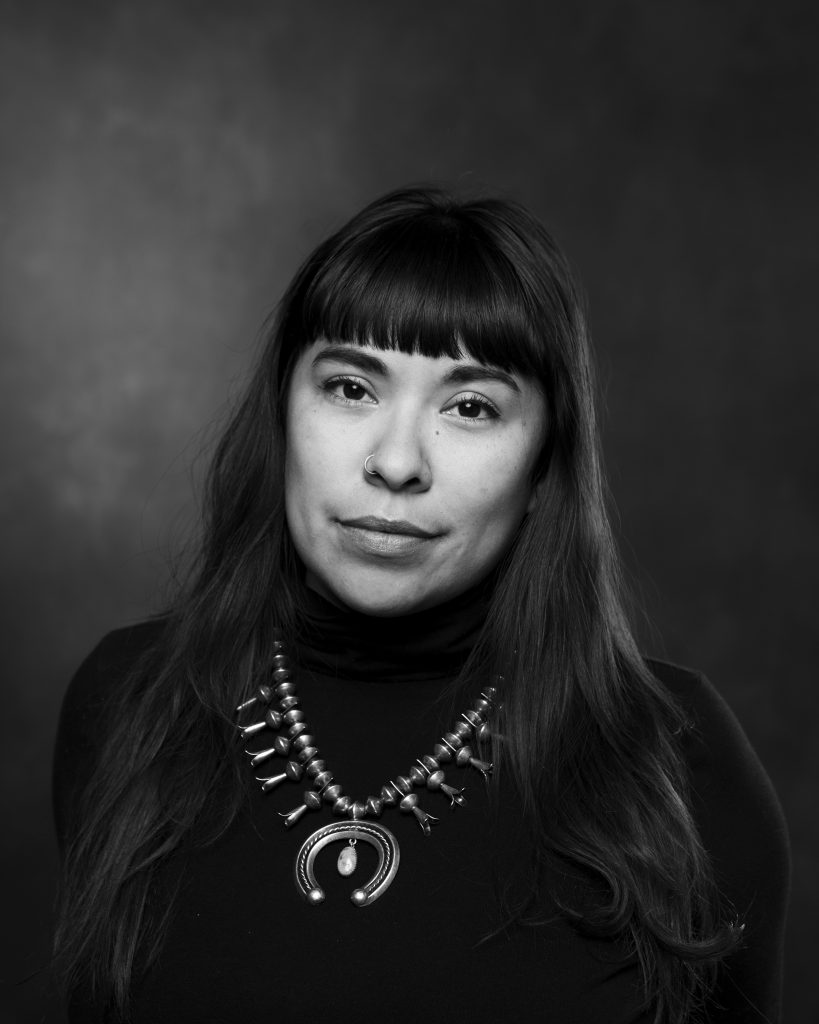
Jade Begay
by   Jade Begay

Jade Begay (she/her), Director of Policy and Advocacy, is a citizen of Tesuque Pueblo and is also Dine and Southern Ute. Jade works at the intersections of storytelling, narrative strategy, climate and environmental justice, and Indigenous rights policy both at the domestic and international level. She has served as the Creative Director and Climate Justice Campaign Director at NDN Collective. Now, Jade directs the Policy and Advocacy work leading programs and projects that elevate policy and advocacy issues that are important to the self-determination of Indigenous Peoples and Tribal Nations.

Jade has a Bachelor’s degree in Film/Video and Communications and a Master of Arts degree in Environmental Leadership. In 2021, she was appointed by President Biden to serve on the inaugural White House Environmental Justice Advisory Council. Jade was named a “Grist Fixer” in 2022 and is a fellow in the Ripe for Creative Disruption: An Environmental Justice Movement Fellowship.

January 2024 Edition

Stay Informed. Take Action.

Subscribe to the NDN allies newsletter

Sign up to get our newsletter. Delivered once per month.

We care about the protection of your data and would never sell your email or share it with anyone without your permission.

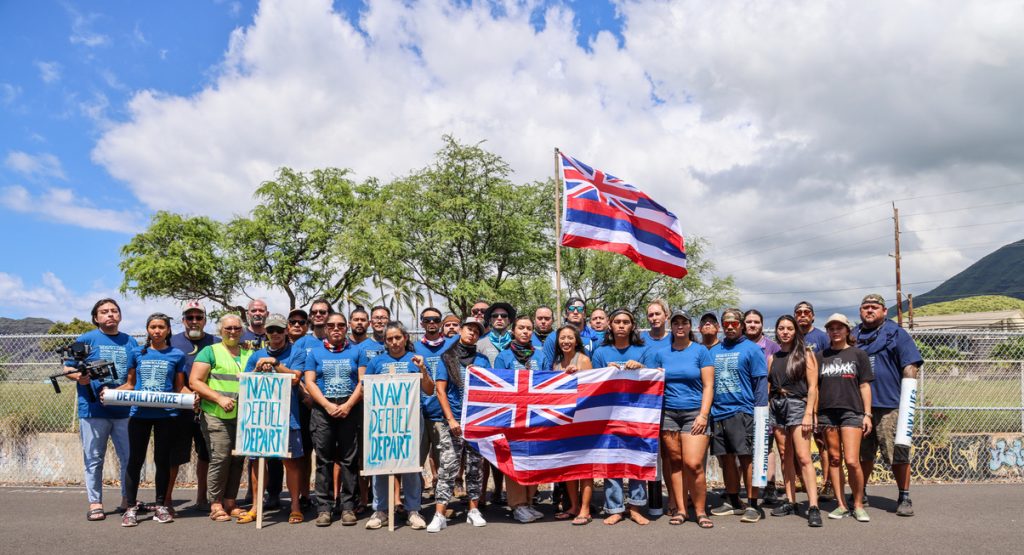
'We Are Not Americans, We Will Die as Hawaiians': Ka Wai Ola a Kāne Launched in Nānākuli, Oahu

Angelica (Angie) Solloa , Kailea Loften

Posted 2 years ago
NDN Collective journeyed to Oʻahu to train and share knowledge with Kānaka Maoli (Native Hawaiian) relatives as an extension of our deep dive work within the region.
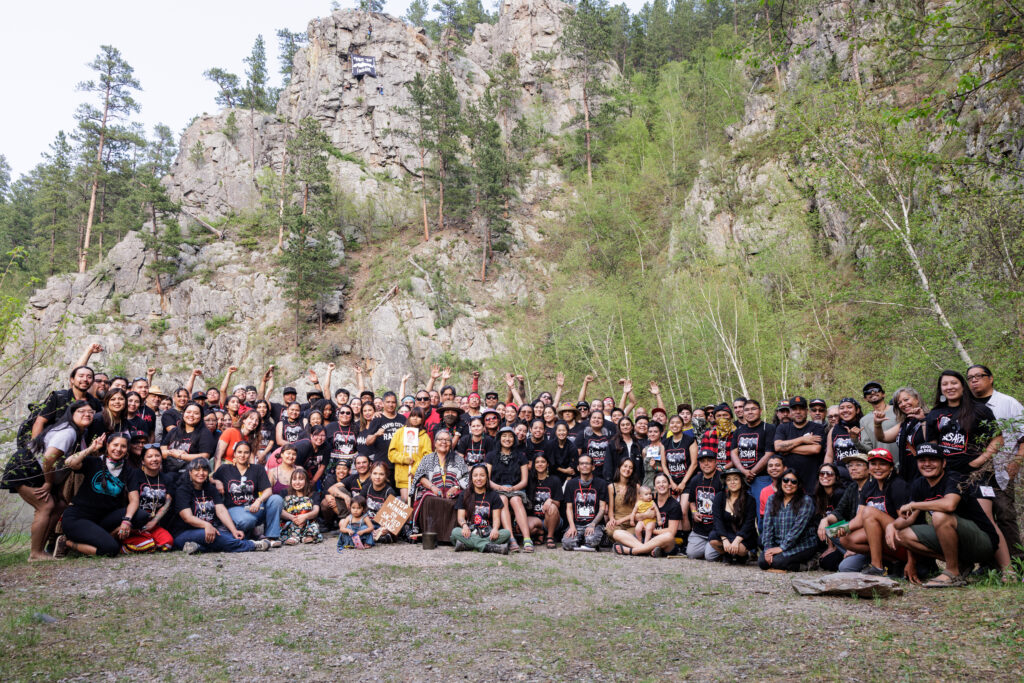
'The Medicine Wheel Coming Together': NDN Collective's ȞeSápa Action Camp Builds Community Among Organizers

Jordynn Paz , Sarah Sunshine Manning

Posted 2 years ago
The ȞeSápa Action Camp brought together organizers and movement builders from across Turtle Island and beyond for a week-long training in the Black Hills. There were several trainings offered including Creative Resistance, Tactical Media, Climbing and Blockades.
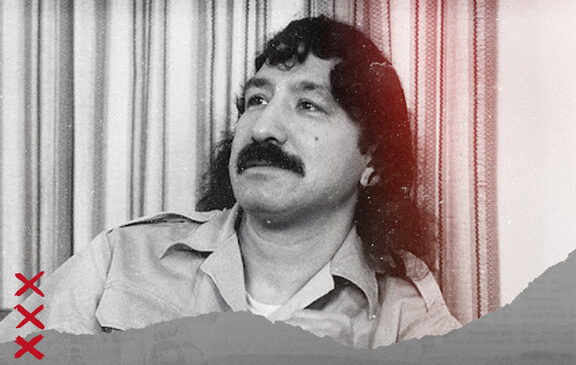
"Keep Fighting": Leonard Peltier Message to Supporters on 48 Years Since Arrest Posted 2 years ago
Leonard Peltier has been unjustly imprisoned for 48 years on this day. In this letter, he reflects on the anniversary of his incarceration and calls upon all to "keep fighting." Read more for ways you can support the fight to #FreeLeonardPeltier.
NDN Collective Celebrates Mineral Withdrawal Resolution Passed By Oglala Sioux Tribal Council Posted 3 years ago
The Oglala Sioux Tribal Council passes a resolution support the proposed mineral withdrawal around the Pactola Reservoir in the Black Hills. The mineral withdrawal will ban mining in the region for years, preserving the land and drinking water.
NDN Collective Redistributes Nearly $8 Million to Indigenous Peoples Posted 3 years ago
In 2023 the Collective Abundance Fund supported the wealth building of 200 Indigenous Families across Minnesota, North Dakota, and South Dakota.
NDN Collective Redistribuye Casi $8 Millones a Personas Indígenas Posted 3 years ago
El Fondo de Abundancia Colectiva (Collective Abundance Fund) apoya la construcción de riqueza de 200 Familias Indígenas en Minnesota, Dakota del Norte y Dakota del Sur.
Community Mobilizes in Bitter Cold to Shelter Unhoused Relatives in Rapid City Posted 3 years ago
City officials issue warning in response to lifesaving efforts to shelter unhoused relatives from freezing temperatures. This came after city officials claimed they would make temporary changes to their intake policies and promised to not turn people away from city shelters.
NDN Collective Opens 2024 Application Period for Community Action Fund Posted 3 years ago
The Community Action Fund (CAF) furthers Indigenous Peoples’ mobilization strategies as it relates to the defense, development, and decolonization of peoples and the planet. This $1 million fund is available to support such efforts in 2024, with grants up to $40,000.
NDN Collective abre el periodo de aplicación 2024 para el Fondo de Acción Comunitaria Posted 3 years ago
Para su publicación inmediata: 11 de enero de 2024 Rapid City, SD - Hoy, NDN Collective abre el periodo de aplicación para el Fondo de Acción Comunitaria 2024, que proporciona subvenciones urgentes para la acción directa y la organización en…
NDN Collective ouvre la période de candidature 2024 pour le Fonds d’action communautaire Posted 3 years ago
Le Fonds d’action communautaire (FAC) favorise les stratégies de mobilisation des peuples autochtones en ce qui concerne la défense, le développement et la décolonisation des peuples et pour la Terre Mère. Ce fonds d'un million de dollars est disponible pour soutenir de tels efforts en 2024, avec des subventions allant jusqu'à 40 000 dollars. 

United like never before, we rise together—arm in arm—to equip all Indigenous Peoples with the tools needed to become architects of our future. Through a holistic approach to infrastructure, funding, advocacy, movement building, and philanthropy we are fostering a world of justice and equity for all people and the planet.