The first “official” Earth day was established in 1970, after colonialism and white supremacy had stripped away so much of the planet’s resources that climate change began to finally impact affluent and white communities, not just Black, Indigenous and People of Color. Now, over 50 years later, our planet is in worse shape than it has ever been.
So much of what Earth Day and “green capitalism” in the United States has come to represent is meaningless,and ultimately, dangerous lip service for those most impacted by climate disaster. If we want to survive the next 100 years, we have to prioritize the Earth with EVERY decision we make, 365 days a year.
There is a more beautiful world, waiting to be reclaimed.
The same way that Native American heritage continues after the month of November (Native American Heritage Month), and Black History doesn’t just happen in February, honoring the Earth should happen every day, and not just on Earth Day. For Indigenous Peoples, being in good relationship with the land and our natural world is ingrained into our cultures, languages, ceremonies, and modes of knowledge. Yet it is colonial-capatalist-white supremacy that continues to cause environmental destruction while robbing the lands and resources of Indigenous Peoples around the world.
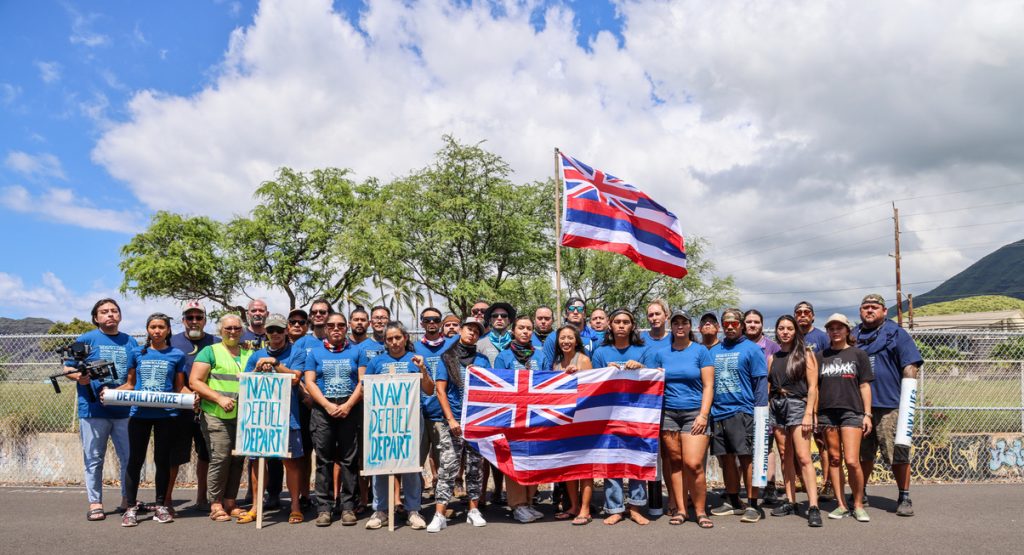
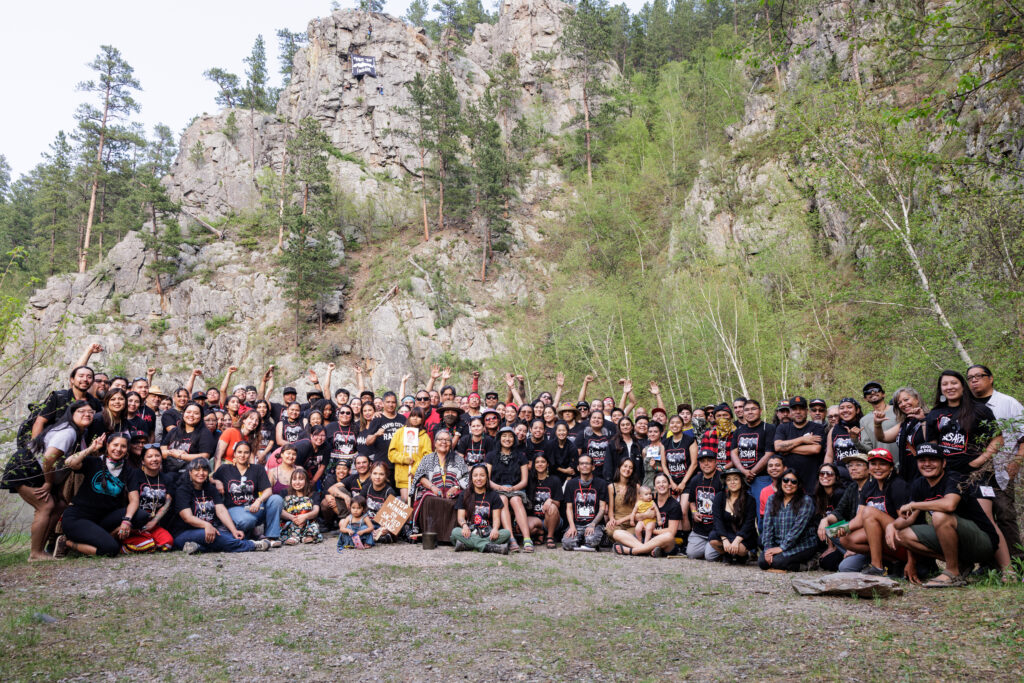
The ecological crisis ends when colonial governments and corporations can no longer exploit our homelands and the homelands of our relatives around the world. The answer to this crisis, is to give our LANDBACK. NDN Collective’s LANDBACK Campaign works to reclaim Indigenous lands and everything that was taken along with it when we were forcefully removed from our vast homelands.
Indigenous Nations have already provided examples of how to caretake the land in a way that goes beyond sustainability…
On the global scale, we welcome that the US has rejoined the Paris Climate Accords and is advancing to be carbon neutral by 2050. However, this process should neither distract us from the underpinnings of this diplomatic process (US hegemony) nor replace a demand for a collated, local, response to the climate catastrophe currently in motion, which our communities are carrying the brunt of. The pathways offered to us are not ANYWHERE near the urgency required to prevent even a sliver of the catastrophe our planet and our communities are already experiencing. If the extractive industry and the governments who collaborate with them had the intention of halting this crisis, we would have been carbon neutral 20 years ago as a minimum standard.
Incremental measures haven’t worked since the first Earth Day in 1970, and they won’t work now. Not a single nation-state has a comprehensive plan to tackle climate change in a way that leaves a livable future for our grandchildren. Meanwhile, Indigenous Nations have already provided examples of how to caretake the land in a way that goes beyond sustainability, because it leaves the land better for the next generation.
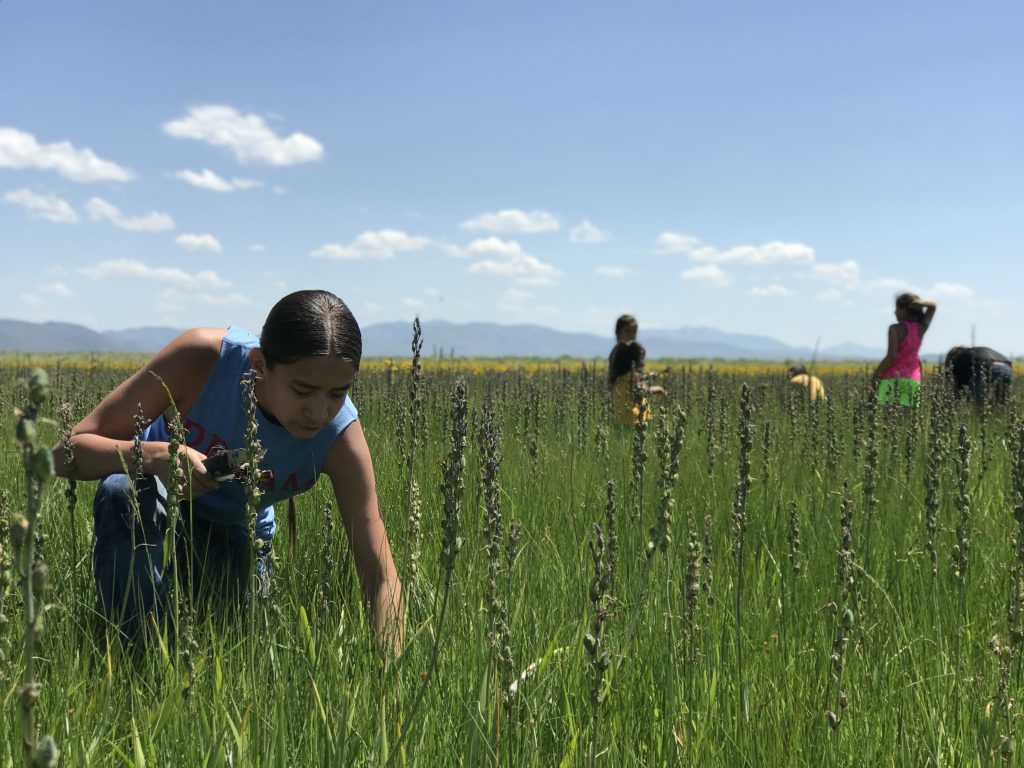
While humans may find a way to survive, extinction is forever. Nearly half of the species that exist today will be gone within a century if we fail to act now. Before settlers arrived on our lands, Indigenous Peoples were taking care of our planet and its resources with respect. We took what we needed and utilized knowledge that was passed down for generations to ensure nature’s balances remained intact. These teachings should continue to guide how we care for the land in the 21st century, rather than have our lives be dictated by values that are rooted in exploitation.
Imagine a world where our land has been reclaimed by its original peoples. One where millions of acres of the Great Plains are once again home to herds of bison that stretch for miles and provide enough food for millions of people. North American prairies filled with native grasses have one of the highest rates of carbon sequestration of any ecosystem and bison play a vital role in the health of the land.
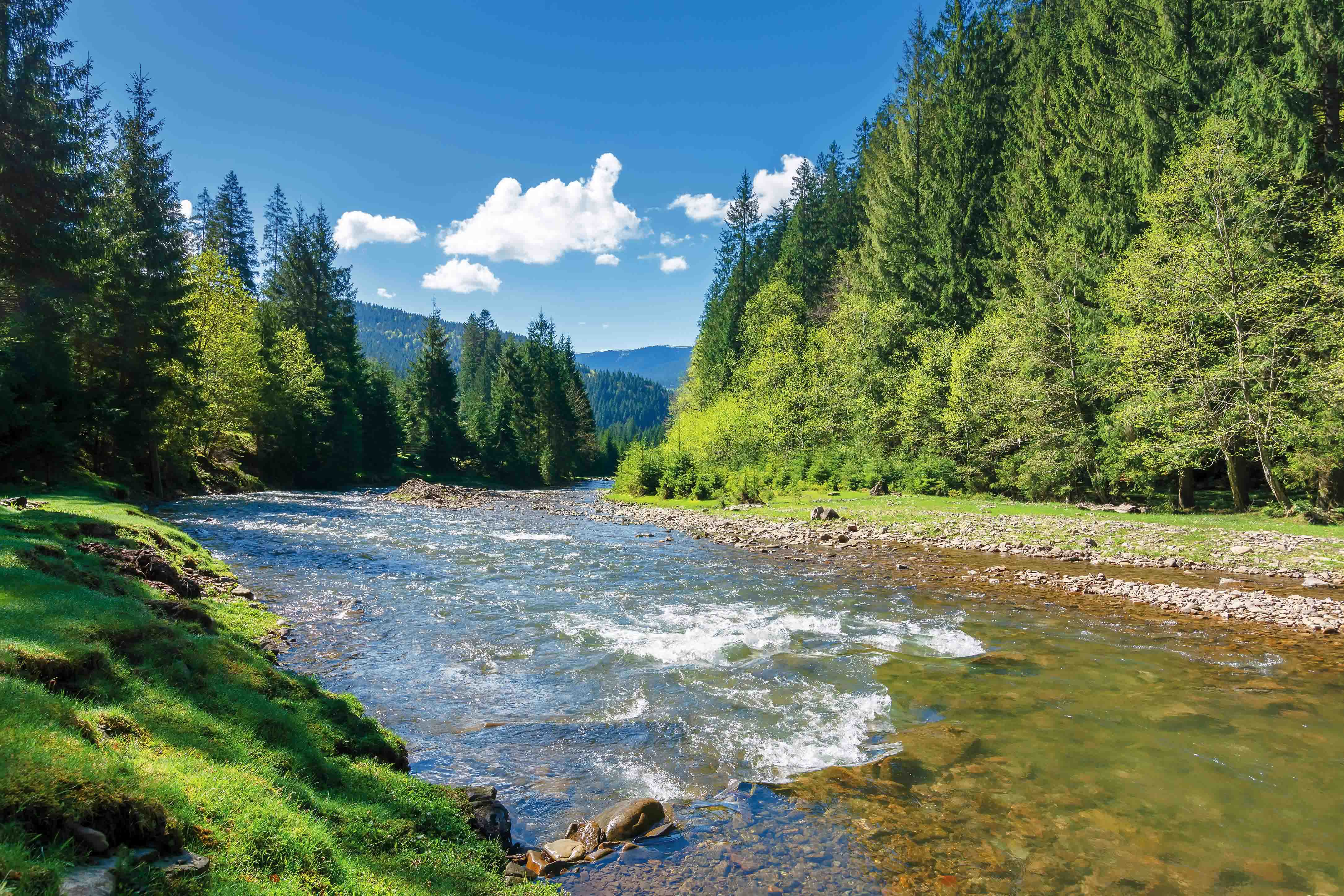
A world where the rivers of the west coast are no longer damned and salmon run so thick you could cross the water by walking on their backs. Where megafires are a nightmare of the colonial past and Indigenous burning practices shape modern wildland fire management, to both enhance the landscape and safeguard our communities from devastating blazes.
All of these endeavours are already being carried by Indigenous Peoples and if given full control of our lands, more sustainable lifeways could become reality on a larger scale. Every corner of the earth is filled with biological and cultural diversity that have shaped practices developed scientifically over thousands of years to create abundance for all life. There is a more beautiful world waiting to be reclaimed.
We need radical action and Indigenous leadership to fight for a future that includes all life, and values ecology and equity over profits and power.
If Indigenous people were given a real say in what happens on our land, pipelines that devastate countless species and poison our water supplies would not have been built. Five years after the illegally operating Dakota Access Pipeline (DAPL) launched, we’re still fighting to shut it down. Egregious policy decisions like the one made recently by the Biden administration to allow oil to continue to flow through DAPL without the proper environmental permits are devastating the planet we all share, and they are made by the same elected officials who will undoubtedly take to social media today to wish everyone a happy Earth Day and make hollow commitments to fight climate change.
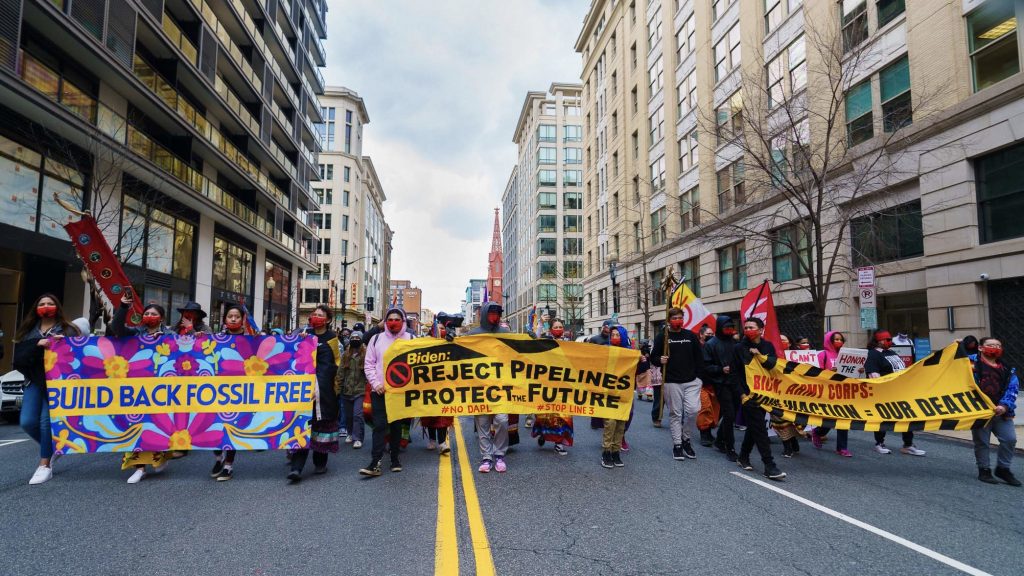
We need radical action and Indigenous leadership to fight for a future that includes all life, and values ecology and equity over profits and power. We don’t need to look to eurocentric political ideologies or the most advanced science to find our answers. The tools and knowledge to fix our planet’s crisis are within our Indigenous communities. We have cared for and protected our lands since time immemorial, and to this day, many of the greatest remaining hotspots for biodiversity only exist because of Indigenous Peoples’ stewardship.
That’s why today, we’re saying loud and clear that LANDBACK is the answer to the escalating ecological crisis. Policymakers need to get behind our movement to return Indigenous lands to Indigenous hands. We’re the rightful keepers of lands all across the planet, and have proven time and time again that we’re the ones who actually have the ability to keep it stable while also providing for our communities. LANDBACK is the only way that we will begin to reverse the damage already done and ensure that life on Earth is sustainable for all of us and our future generations.
Learn more about NDN Collective’s LANDBACK Campaign below and please sign our petition to return the He Sapa (Black Hills) to the original caretakers and follow our LANDBACK Now! show to learn more about different Indigenous land struggles across Turtle Island.
About the LANDBACK Campaign
NDN Collective’s LANDBACK Campaign works to physically reclaim lands while also reclaiming traditional Indigenous teachings of land, water and fire management. The LANDBACK Campaign works across movements, on local, national and global levels to amplify, resource and connect around 4 major demands: Dismantle, Defund, Consent and Return. Learn more about the LANDBACK Campaign and support our work here.